How Scent Affects Mood and Memory According to Research
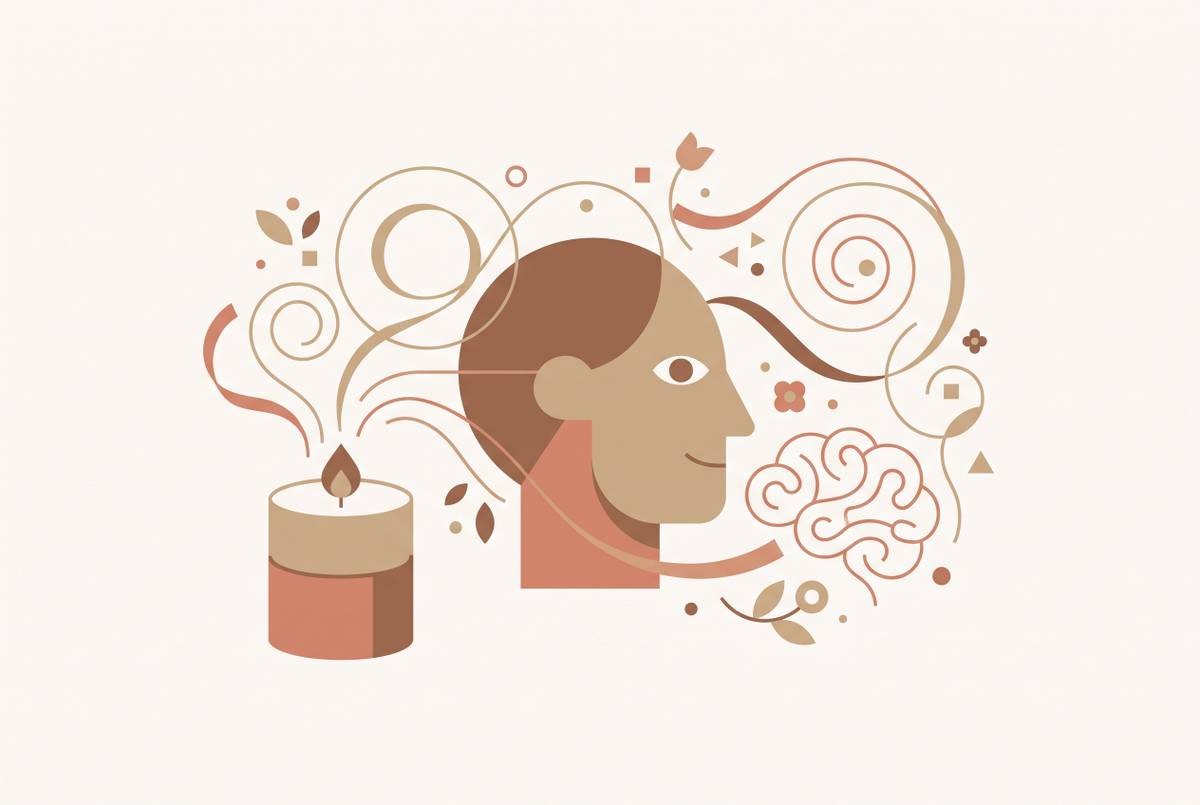
Smell reaches emotion and memory centers faster than other senses.
Darnell Okafor
Technology & Product Correspondent
Darnell worked as a consumer electronics reviewer for a regional trade publication for nearly a decade before narrowing his focus to smart-home and ambient-living devices. He approaches diffuser hardware and app-connected scent systems with the same benchmarking discipline he once applied to audio equipment.
14 stories
Smell reaches emotion and memory centers faster than other senses.
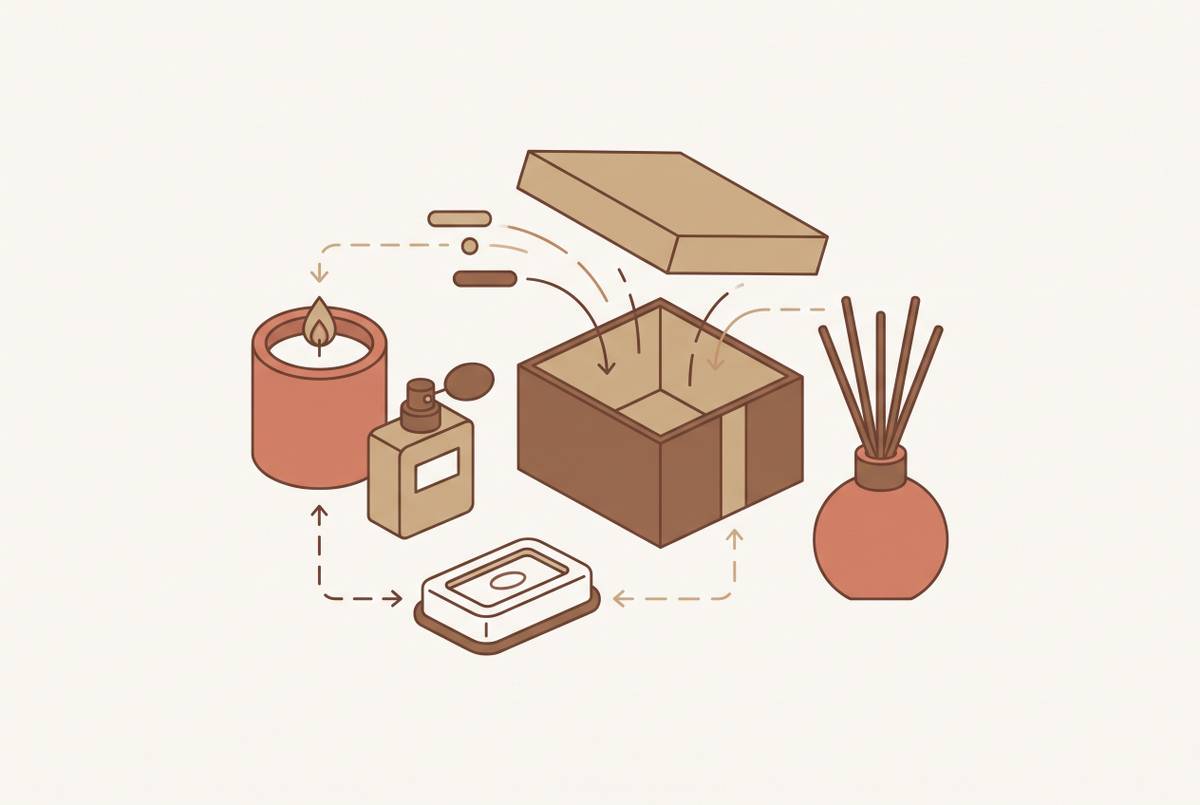
Personalized fragrance sets require choosing the diffuser first, then matching oils to function.
Scent operates as a measurable wellness tool when chosen and gifted with actual intention.
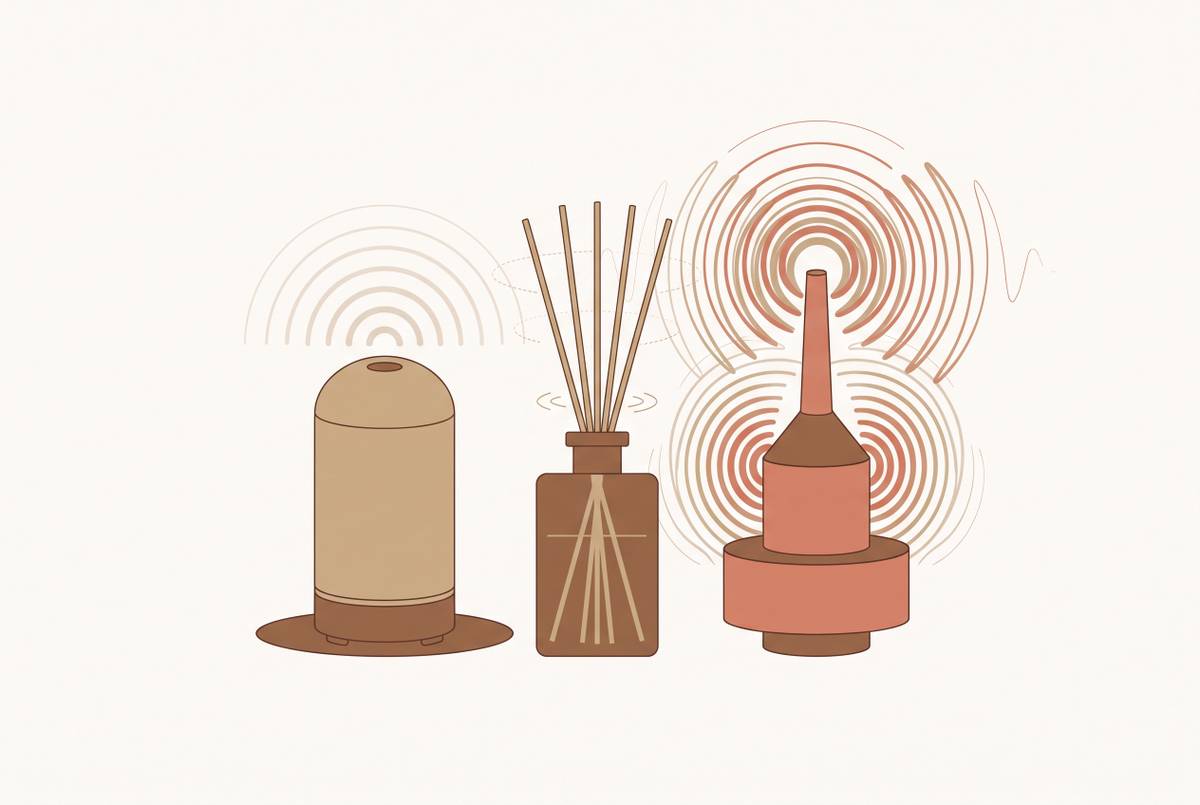
Ultrasonic diffusers dominate the market, but noise levels vary wildly across types.
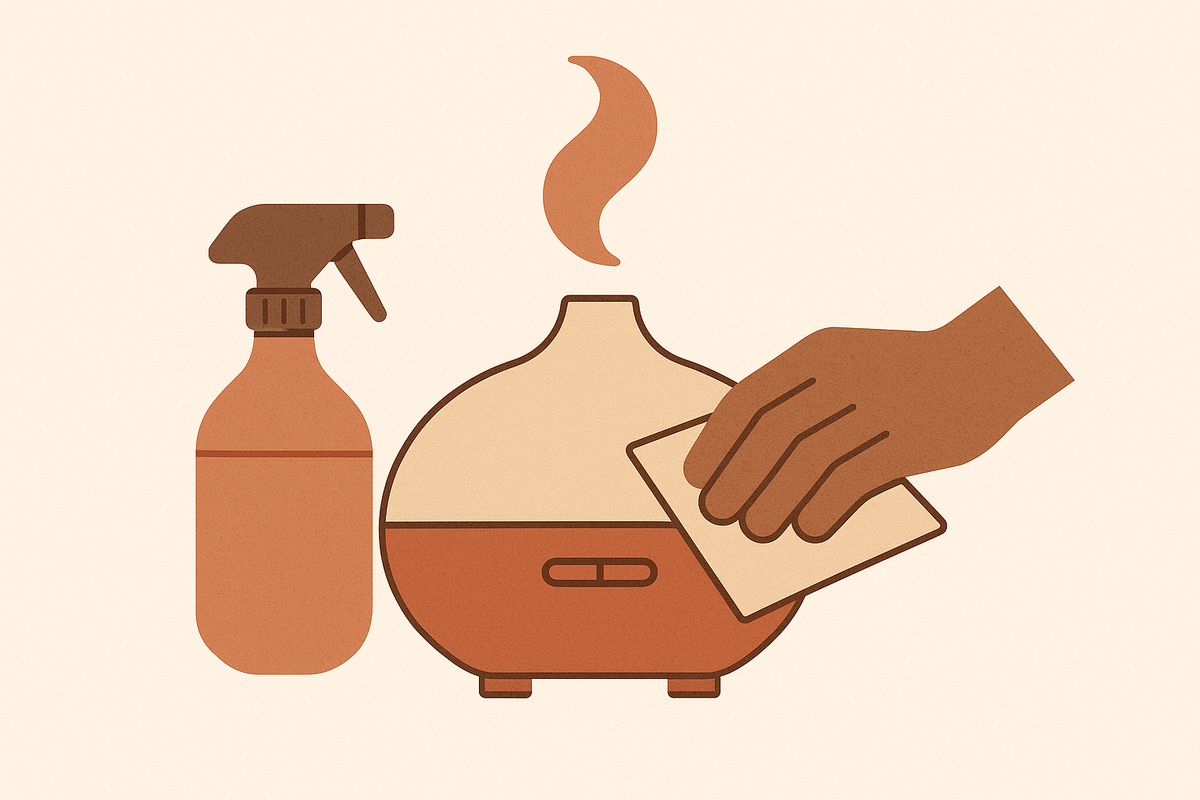
Oil buildup silences a diffuser's scent long before it stops producing mist.
Calculate cubic footage, not just square footage, to size diffusers correctly.
Cold air diffusers outperform candles by delivering intact scent throughout your home.
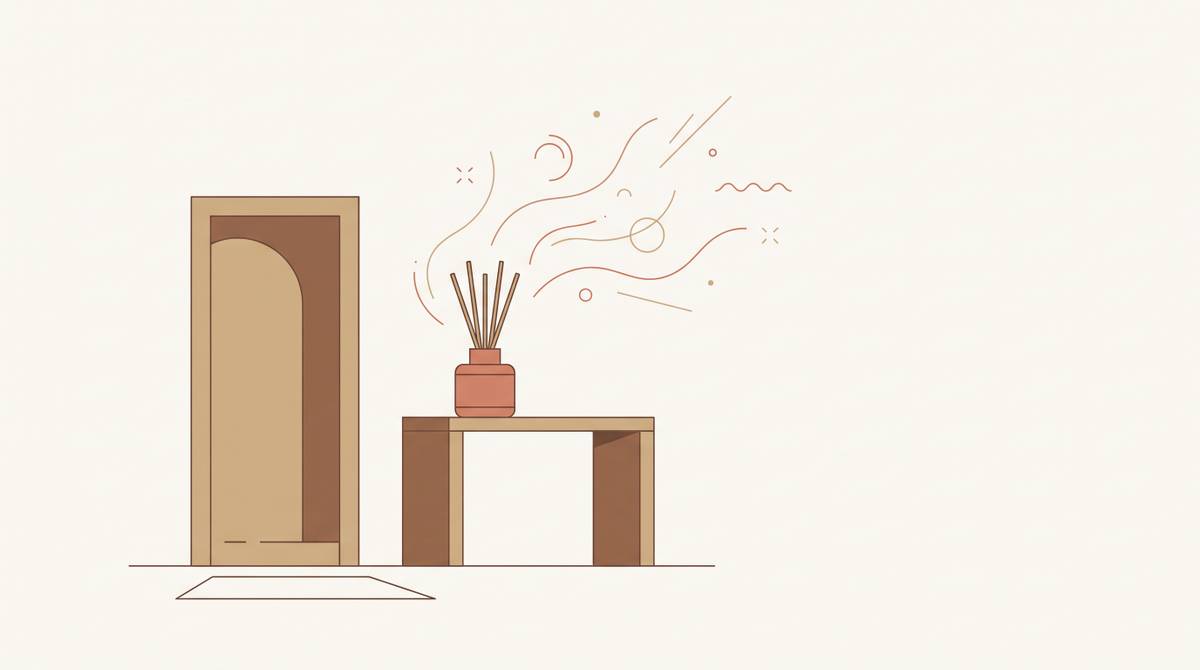
Match reed count to room size, not bottle design, for scent that works.
Smart diffusers replace timers and on-off switches with app scheduling and intensity control.
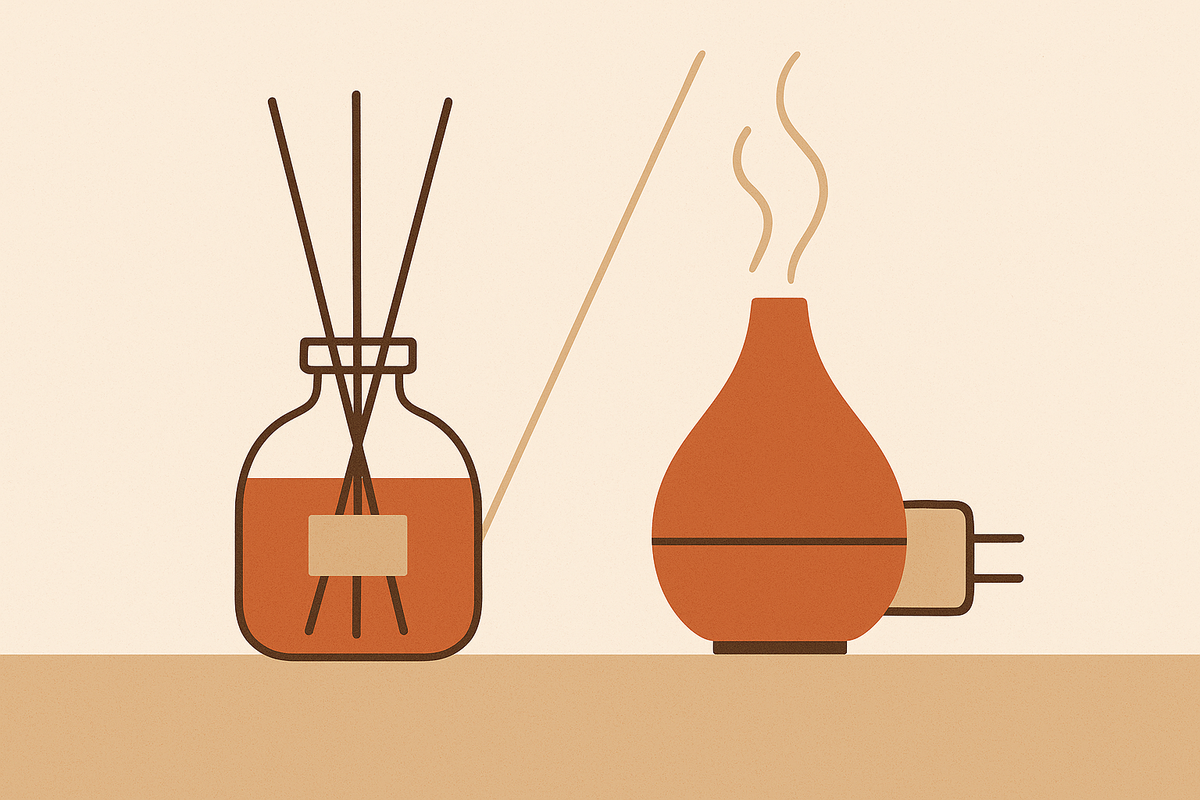
Electric diffusers give you control reed can't match, but require more upkeep.
These devices preserve fragrance intensity by skipping water and heat entirely.
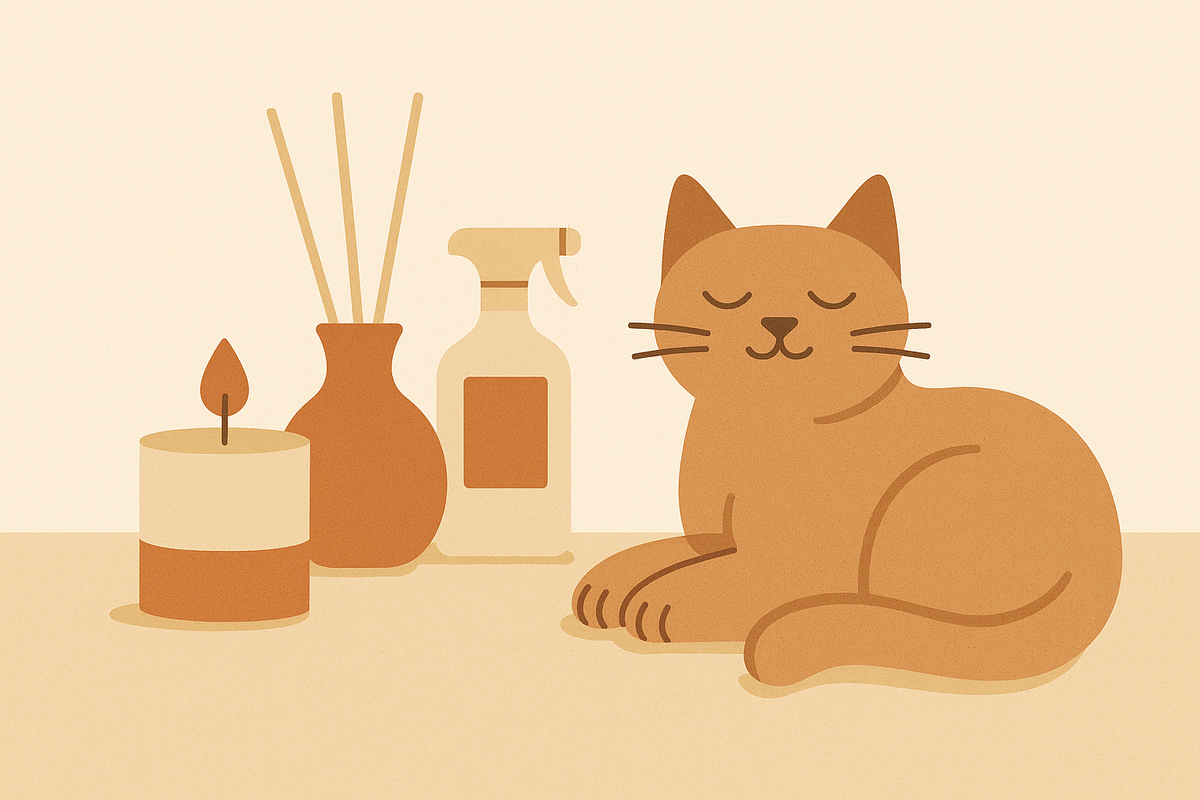
Cats lack the liver enzyme to clear fragrance compounds, making scent safety complicated.
Smell bypasses your brain's security checkpoint, directly influencing anxiety and mood.
Scent reaching your brain before conscious thought shapes how guests feel about your home.