Scent and Memory: Building Positive Associations at Home
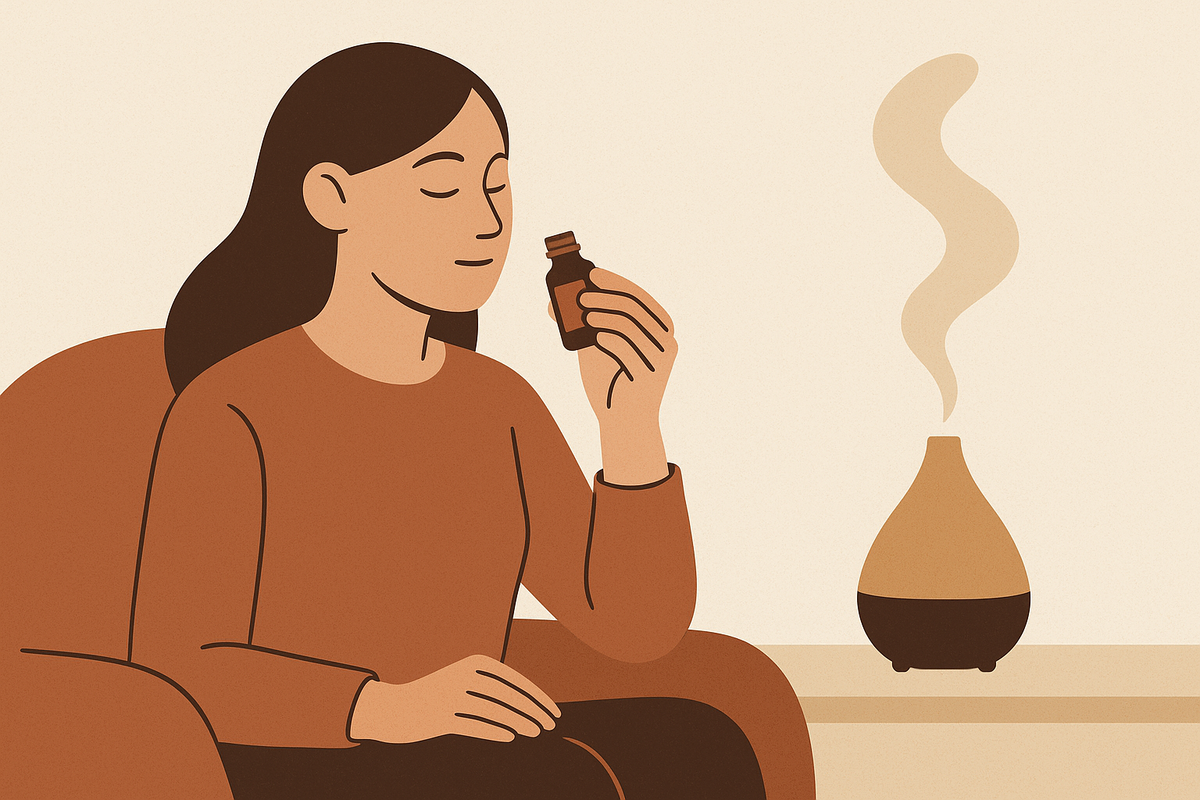
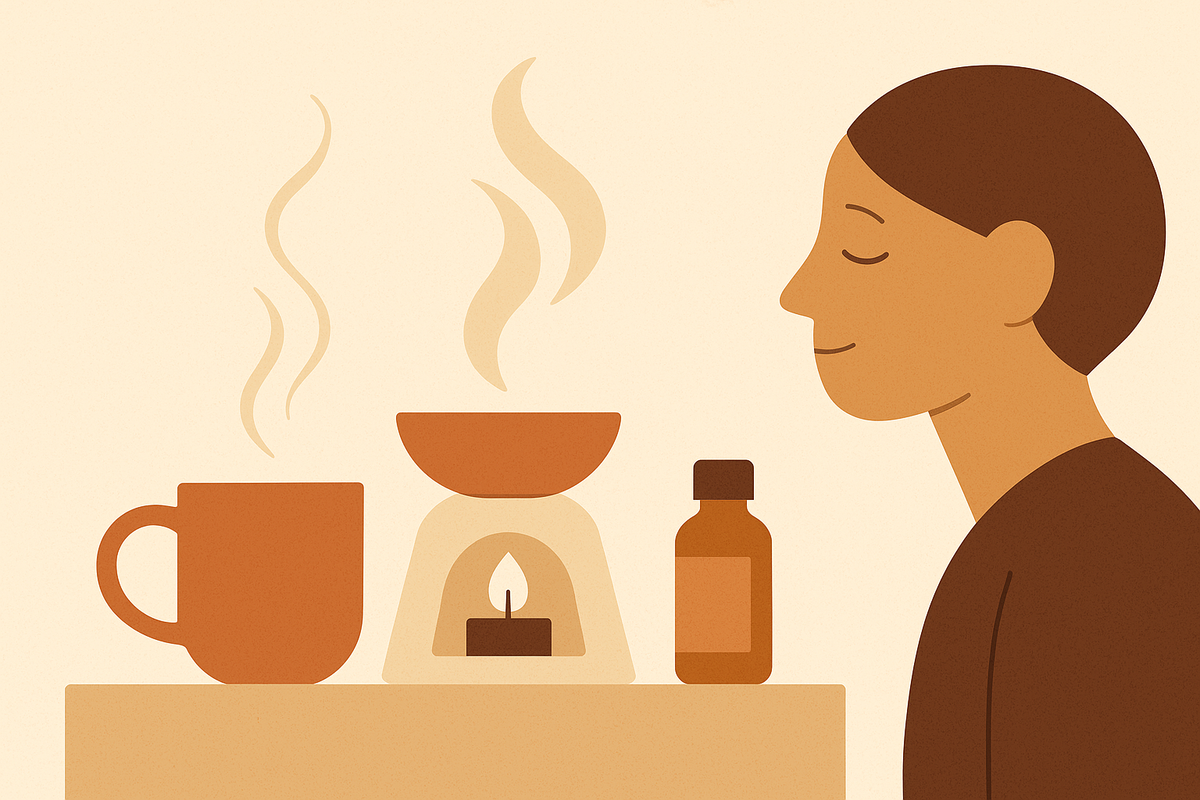
Intentional scent exposure rewires memory pathways and mood, but only through consistent repetition.
Mateo Kowalski
Section
14 stories in Scent & Wellness Rituals.
Intentional scent exposure rewires memory pathways and mood, but only through consistent repetition.
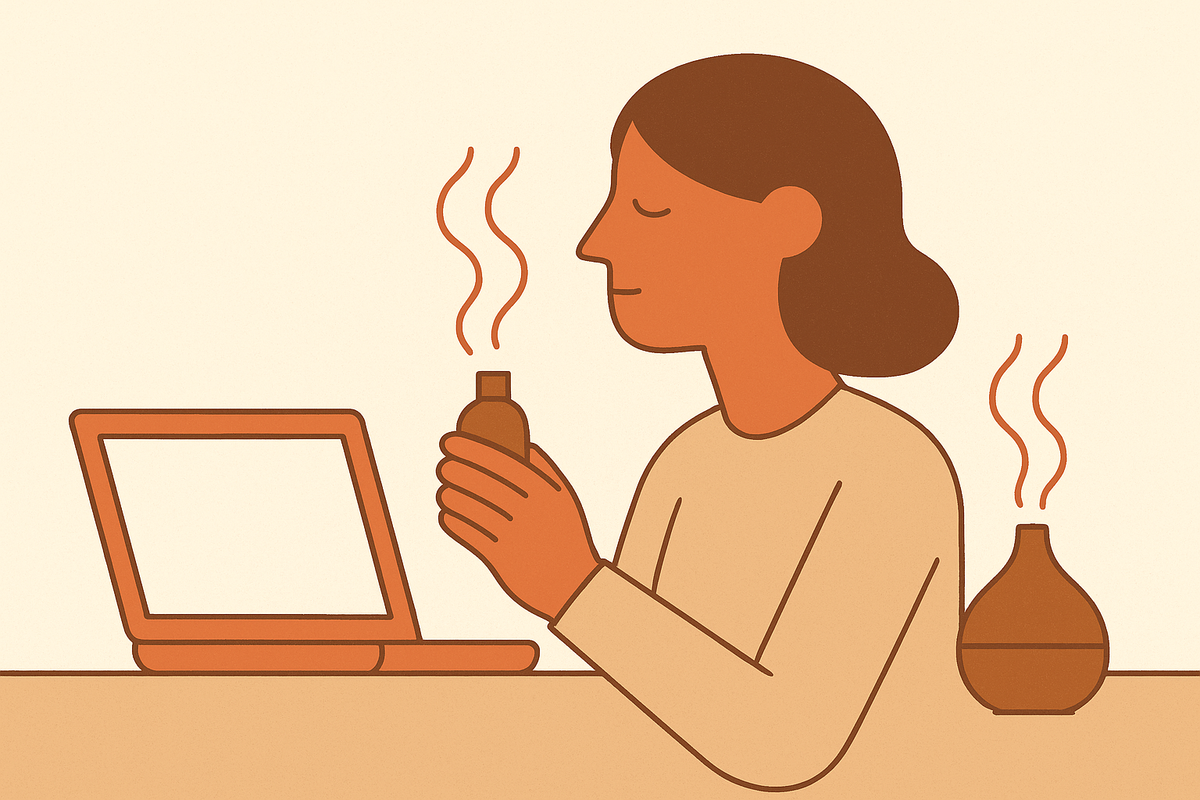
Scent can signal your brain when to focus, create, and recover without leaving your desk.
Scent triggers focus faster than any other sense, neuroscience shows.
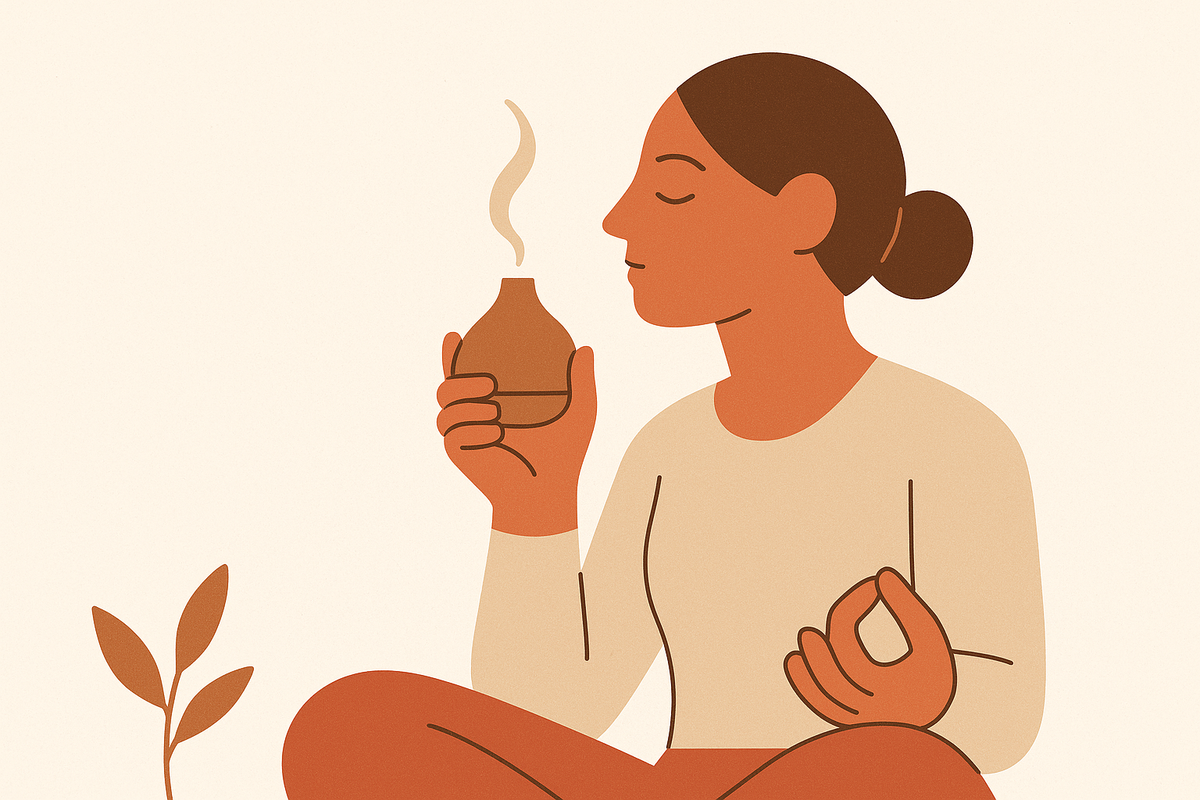
Consistent scent delivery amplifies meditation's nervous system effects.
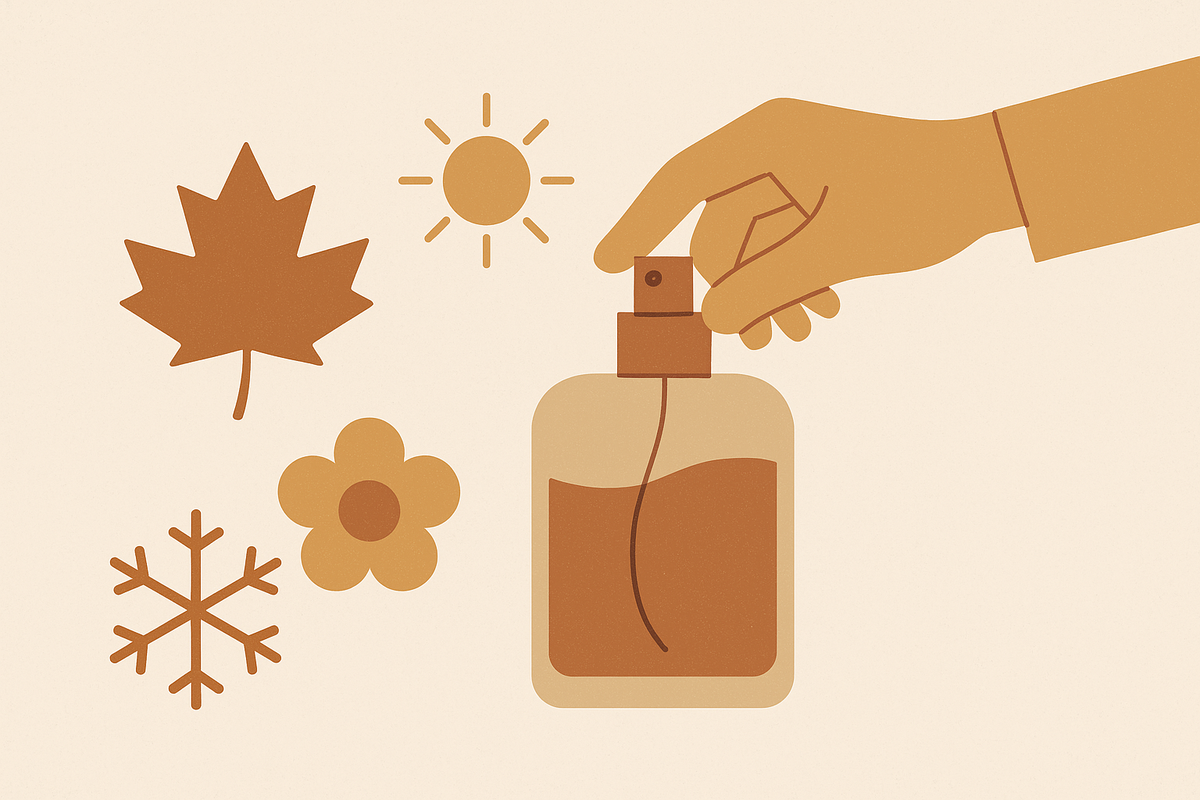
Rotating scents by season primes your brain for emotional shifts backed by neuroscience.
Smell bypasses your brain's filter, making scent anchoring a measurable shortcut to calm.
Scent signals your nervous system before conscious thought kicks in.
Scent conditions your brain to focus faster than caffeine takes effect.
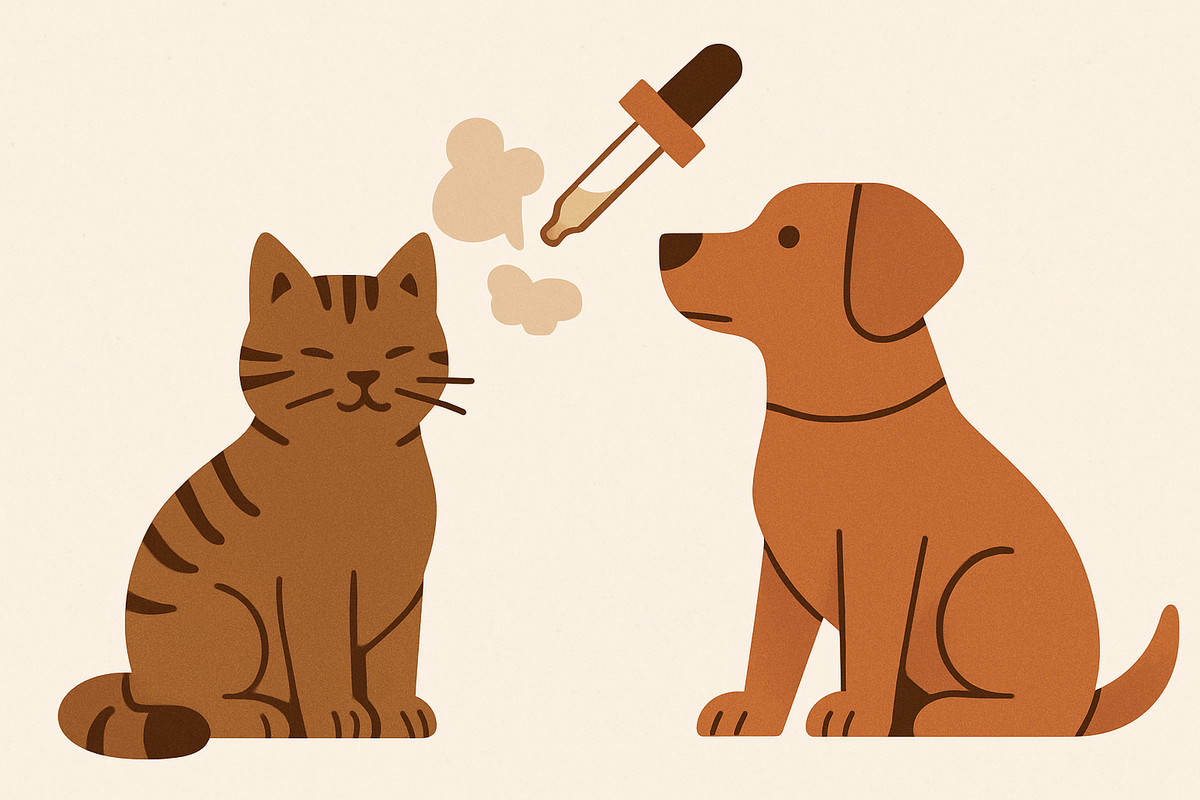
Cats and dogs metabolize scents differently, so identical diffusers create opposite outcomes.
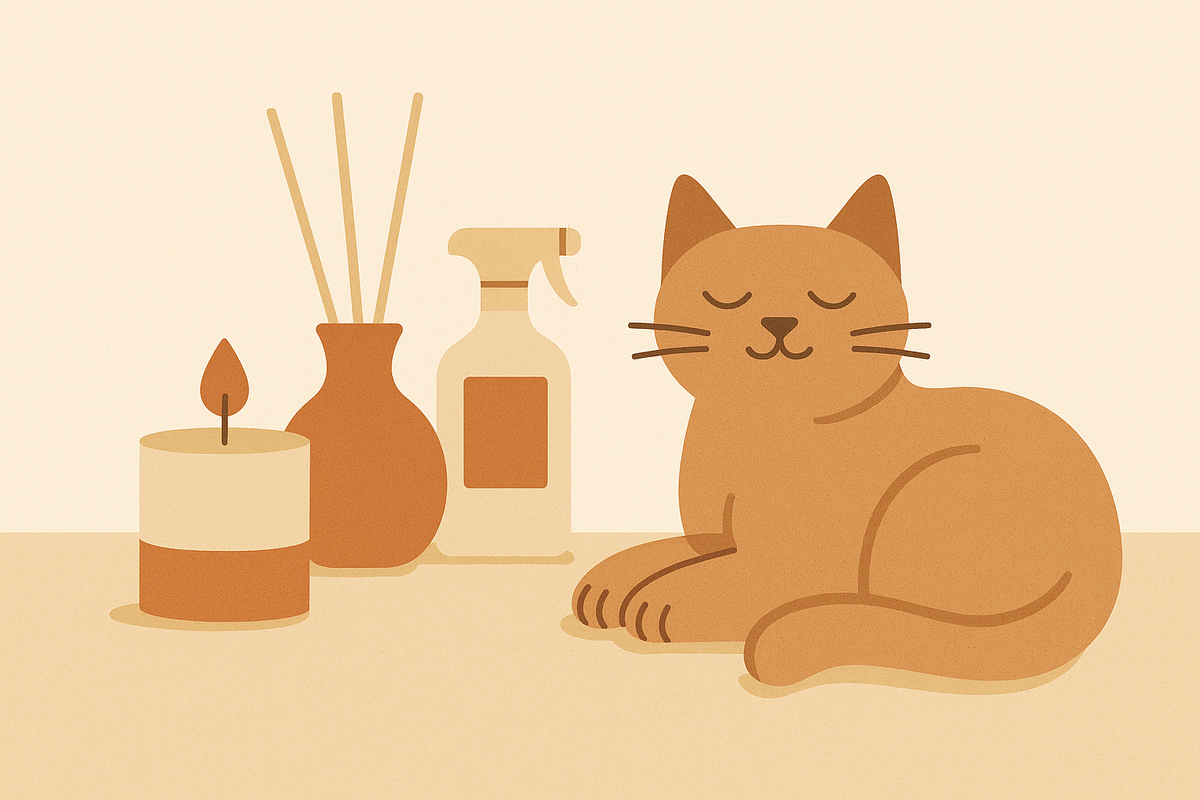
Cats lack the liver enzyme to clear fragrance compounds, making scent safety complicated.
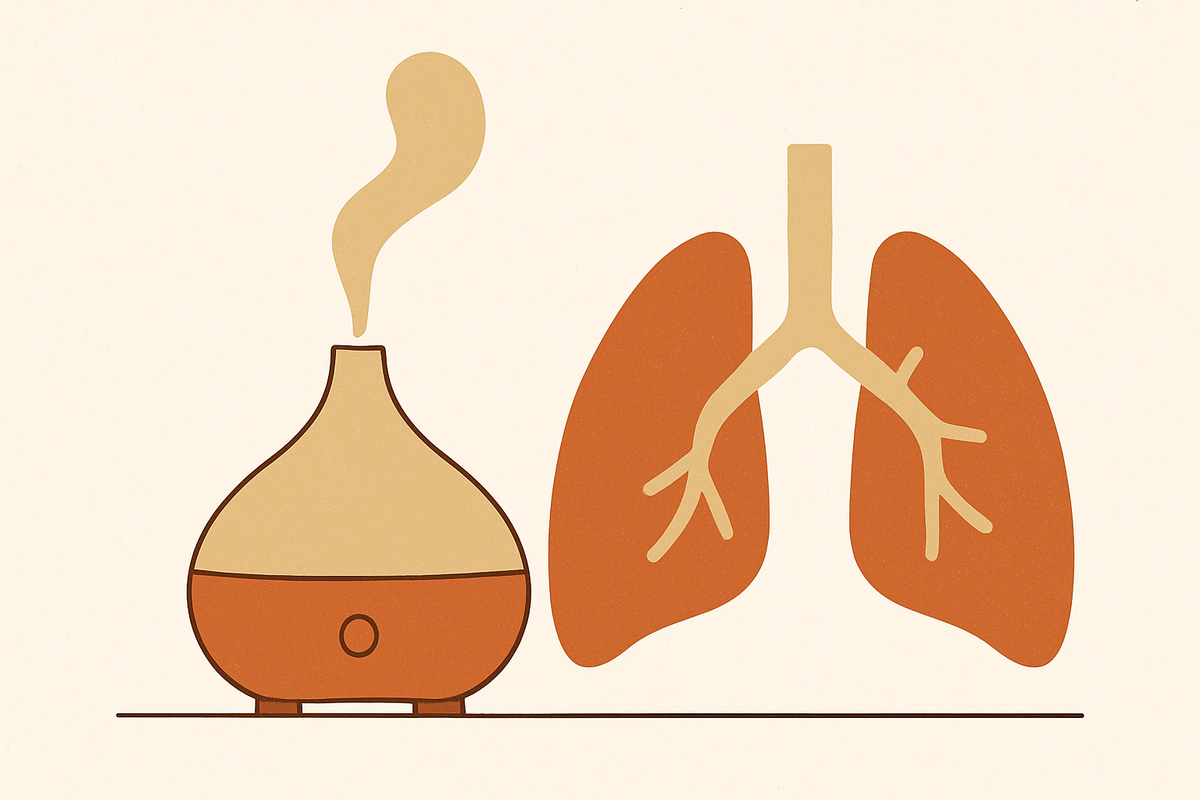
Diffusers release potentially hazardous chemicals that pose real risks for certain lungs.
Heat intensifies fragrance chemicals that accumulate dangerously in pets.
Smell bypasses your brain's security checkpoint, directly influencing anxiety and mood.
Match your oil choice to your specific sleep problem, not just to general relaxation.